How to Integrate Alternative Payment Gateways in No-Code Apps Without the Stripe Tax

When you're building a SaaS, marketplace, or fintech app with no-code tools like WeWeb, FlutterFlow, or Bubble, setting up a payment system is often one of the first major hurdles. Most builders default to Stripe or Plaid, and for good reason, they’re powerful and well-documented. But they’re also expensive, have country-specific restrictions, and sometimes carry extra compliance friction for early-stage devs.
If you're building on a tight budget or want to explore more flexible options, there’s a growing ecosystem of alternative payment gateways that are no-code friendly and surprisingly easy to integrate.
Why Look Beyond Stripe or Plaid?
- Lower Fees: Stripe is known for reliable service, but smaller players like Stancer or Paddle often offer more competitive pricing.
- Immediate Approvals: Some developers report delays or rejections during Stripe onboarding. Others like Polar or LemonSqueezy have faster KYC processes.
- Country-Specific Access: Not all gateways are equally available globally. For example, Stancer is France-specific, and Viva Wallet has wide reach across the EU.
- Built-in Extras: Some platforms combine contracting, licensing, and tax management into one API (e.g., Paddle), simplifying compliance for SaaS companies.
Top Alternative Gateways to Explore
Here’s a shortlist of lesser-known players that support payments and/or open banking, and work well with no-code platforms:
1. Paddle
- Perfect for SaaS startups.
- Handles VAT, sales tax, invoicing, and subscriptions.
- Can be integrated via REST APIs or Zapier-compatible workflows.
- No need to form a local business in every region.
2. Stancer (France)
- Minimal setup headache, great for bootstrappers.
- Offers direct payment APIs without extra fluff.
- Works well with custom code components in WeWeb or local tools like Make.
3. LemonSqueezy
- Recently gaining traction with indie devs.
- Includes license key management, tax compliance, and subscriptions.
- Useful if you’re selling digital goods like templates, add-ons, or AI-powered tools.
4. Polar.sh
- Still emerging, but popular among indie devs for simplicity.
- Supports Markdown-based checkout flows.
- Ideal if you’re building content-first products (e.g., memberships, paywalled guides).
How to Integrate with No-Code Tools
Most no-code platforms today support REST APIs, which makes integrating with lesser-known payment tools fairly straightforward. Here's how:
Option A: Use Native API Connectors
In tools like WeWeb, Bubble, and FlutterFlow, you can set up REST calls to the payment provider’s API using built-in connectors. You'll just need:
- An API key/token
- Endpoint URLs (often provided in docs)
- Basic understanding of how to pass headers and payloads
This method gives you full flexibility over custom UIs and error handling.
Option B: Leverage Automation Tools
If the gateway offers webhooks or Zapier/Make modules, you can:
- Capture successful payment events
- Trigger emails, database writes, or workflow steps in your no-code backend
This is lower-code, but may lack the granularity or customization of native API calls.
Option C: Ask AI to Help Fork Components
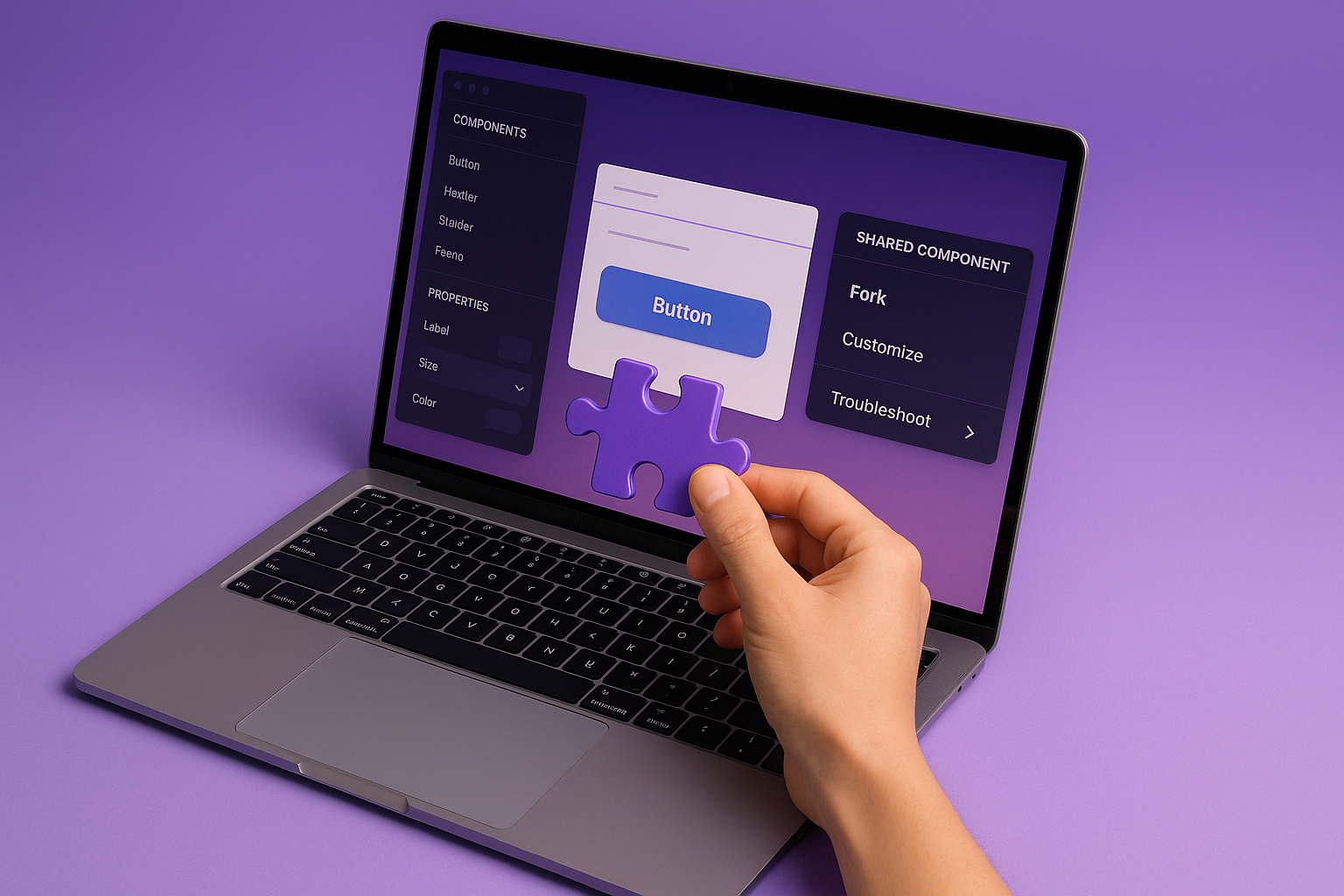
Using WeWeb? Want to embed a custom checkout UX? Fork a component, drop in the HTML/CSS/JS (or work with a dev), and let GPT or Claude help fill in the gaps. Platforms like AppStuck can help you wrap payment APIs in clean components, saving you time.
Final Thoughts: Pay Smarter, Not Just Faster
Stripe and Plaid are great, but they aren’t your only (or best) options. Whether you're launching a niche app in Europe, handling B2B licensing, or just trying to cut operational costs during validation, there are plenty of nimble gateways out there that plug right into your no-code stack.
Explore them, test their APIs, and start freeing yourself from vendor lock-in. Just because you’re building faster with AI and no-code doesn’t mean you should settle for higher fees.
Happy building!
Related posts




Need Help with Your AI Project?
If you're dealing with a stuck AI-generated project, we're here to help. Get your free consultation today.
Get Free Consultation